In today’s fast-paced world, ensuring safety on the road is more important than ever. With the rise in accidents and the need for proof in disputes, mobile dash cams have emerged as essential tools for drivers. These compact devices not only capture live footage of the road ahead but also act as reliable witnesses in case of unforeseen incidents. This article delves into the practical aspects of mobile dash cam installation, guiding you through the necessary steps to equip your vehicle with this essential safety technology.
Installing a mobile dash cam might seem daunting, but with the right approach, it can be a straightforward process that enhances your driving experience. From selecting the perfect location to ensure optimal visibility to connecting the device seamlessly to your car’s power system, we’ll cover everything you need to know. By the end of this guide, you’ll be well on your way to setting up a dash cam that not only provides peace of mind but also significantly enhances your ability to capture and document your journeys on the road.
Choosing the Right Location
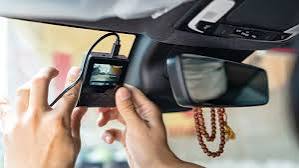
Selecting the ideal mounting location for your mobile dash cam is crucial for optimal performance. The camera should be positioned to provide a clear view of the road ahead without obstructing your view or interfering with any airbags. Commonly, the best spots are on the windshield behind the rearview mirror or on the dashboard. Additionally, ensure the camera is secured with the appropriate mounting accessories to withstand vibrations and movements during your drive. By taking the time to choose a proper location, you can maximize the quality of the footage captured, which could serve as vital evidence in the event of an accident.
Connecting to Power
Once you’ve decided on a suitable mounting position, the next step is connecting your dash cam to your vehicle’s power source. Many dash cams come with a car charger that plugs into the 12V socket, but a hardwiring kit offers a more permanent solution. For those looking for professional assistance, you might want to consider dash cam installation in Melbourne, which can simplify the process, ensuring that the wiring is discreet and does not interfere with your vehicle’s aesthetics. After connecting the power, ensure to test the camera’s functionality to confirm that it operates correctly and captures footage as intended.
With the installation complete, it’s time to configure your dash cam settings to suit your needs. Most models allow you to adjust features such as video resolution, loop recording length, and even activate motion detection or G-sensors for added security. Familiarize yourself with the camera’s features so you can make the most out of its capabilities, ensuring you’re prepared for any situation while on the road. Regularly check the footage and memory storage to keep your recordings current, and consider reviewing your dash cam’s performance during routine vehicle maintenance. By properly installing and managing your mobile dash cam, you can enjoy a significant boost in road safety, giving you peace of mind as you navigate the challenges of modern driving.