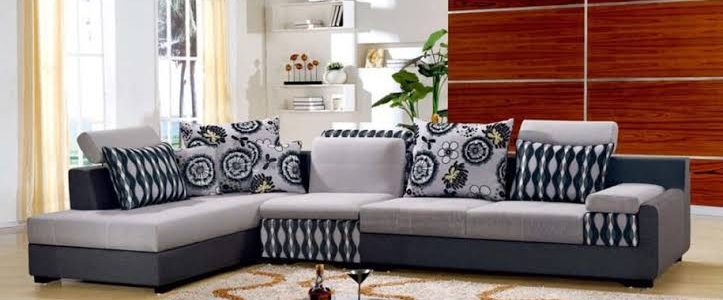
Upholstery is an essential aspect of interior design that combines both functionality and aesthetics, transforming the ordinary into extraordinary. It involves the craft of covering furniture with fabrics, padding, and support structures, enhancing not only the appeal of the piece but also its comfort and longevity. As homes and commercial spaces evolve, the significance of upholstery continues to grow, reflecting personal tastes and trends while providing practical solutions for everyday living.
This article delves into the world of upholstery, exploring its rich history, materials, and techniques. From traditional hand-stitching methods to modern, cutting-edge technologies, upholstery remains a fascinating blend of art and craftsmanship. Whether you are a DIY enthusiast looking to rejuvenate an old piece or a professional seeking inspiration for your next project, understanding the nuances of upholstery can open up a realm of possibilities to elevate any space.
Materials Used in Upholstery
The choice of materials in upholstery plays a significant role in both function and aesthetics. Common fabric options include cotton, linen, leather, and synthetic blends, each offering unique properties regarding durability, maintenance, and style. Cotton and linen are known for their natural breathability and comfort, while leather provides a luxurious feel and can last for decades with proper care. Moreover, innovative synthetic fabrics have emerged, catering to specific needs such as stain resistance and high durability, making them ideal for high-traffic areas. To achieve the desired look and feel, it’s essential to choose the right material that aligns with the design vision, lifestyle, and functional requirements of the space. For those seeking expertise in this field, looking into Highly recommended upholsterers in Sydney can be invaluable, as they offer insights on the best materials suited for your project.
Techniques and Craftsmanship
Upholstery techniques have evolved significantly, balancing traditional craftsmanship with modern technological advancements. Hand-stitching remains a revered method, allowing artisans to create intricate details and ensure quality. However, contemporary upholstery also incorporates machine techniques that enhance efficiency without compromising artistry. Techniques such as tufting, pleating, and channeling add depth and texture, transforming simple pieces into statement furniture. Understanding these methods is crucial for anyone looking to appreciate the artistry of upholstery, whether undertaking personal projects or commissioning professional work. The fusion of age-old skills with innovative approaches continues to shape the future of this dynamic craft.
In conclusion, upholstery is not merely a functional necessity; it is a pivotal element of interior design that encapsulates both artistry and practicality. The thoughtful selection of materials and techniques influences not only the aesthetic appeal of furniture but also its durability and comfort, enhancing the overall ambiance of a space. As trends in design shift and lifestyles change, upholstery adapts to meet diverse needs while preserving a rich heritage of craftsmanship. Whether revitalizing a cherished family heirloom or outfitting a new living space, the essence of upholstery lies in its ability to blend personal expression with purposeful design, making it an enduring aspect of our homes and work environments.