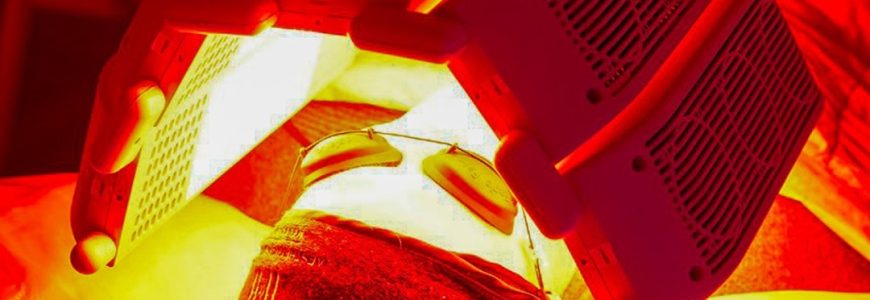
Red light therapy (RLT) has garnered significant attention in recent years as a non-invasive treatment that claims to promote healing, reduce inflammation, and enhance overall well-being. This innovative therapy utilizes specific wavelengths of red and near-infrared light to penetrate the skin, stimulating cellular processes and triggering a range of biological responses. But what exactly is the science behind this increasingly popular therapy? In this article, we will delve into the mechanics of red light therapy, examining how it interacts with our bodies at the cellular level and the various potential benefits it offers.
As researchers explore the underlying mechanisms of red light therapy, they have begun to uncover how it influences mitochondria, the powerhouse of our cells, leading to increased energy production and improved cellular function. With a growing body of evidence supporting its effectiveness for various applications, including skin rejuvenation, pain relief, and athletic recovery, red light therapy is making its mark in both clinical settings and home wellness routines. Join us as we unpack the science behind this intriguing therapy and its implications for health and longevity.
Mechanisms of Cellular Interaction
Red light therapy (RLT) primarily functions by enhancing mitochondrial performance through the absorption of specific light wavelengths. When red and near-infrared light penetrates the skin, it activates photoreceptors within mitochondria, leading to a process called photobiomodulation. This reaction increases adenosine triphosphate (ATP) production, which is crucial for cellular energy and function. As a result, cells can repair and regenerate more efficiently, significantly influencing healing processes at a cellular level. For a deeper understanding of how these interactions promote health, explore the detailed mechanics in What Is The Science Behind Red Light Therapy.
Potential Benefits of Red Light Therapy
The potential benefits of red light therapy extend beyond just cellular function; they encompass a wide range of therapeutic applications. Research indicates that RLT can help reduce inflammation, alleviate pain, and improve skin conditions by promoting collagen production and enhancing blood circulation. Additionally, athletes are increasingly adopting this therapy for rapid recovery post-exercise, as it aids in reducing muscle soreness and enhancing performance. With ongoing studies, the implications of red light therapy for health and longevity appear promising, making it a topic of interest for both medical practitioners and wellness enthusiasts alike.
In summary, red light therapy represents a fascinating intersection of advanced technology and biological science, demonstrating the remarkable ability of light to influence cellular processes profoundly. By harnessing specific wavelengths that stimulate mitochondrial activity and promote ATP production, RLT offers a myriad of benefits, from enhanced healing and reduced inflammation to improved skin health and athletic recovery. As ongoing research continues to illuminate its mechanisms and expand our understanding of its applications, red light therapy stands poised not only as a valuable tool in modern medicine but also as a popular modality within the growing realm of holistic wellness, promising a brighter future for both health management and longevity.